
Our Technology
THE SECRET BEHIND SMOOTH DESCENTS
How the ultimate controlled descent device protects
at height while allowing dynamic movement without
nuisance lockups.
Introducing Eddy
Eddy currents are circular electrical currents, named because they flow like eddies in a river. Here's how they work.
-
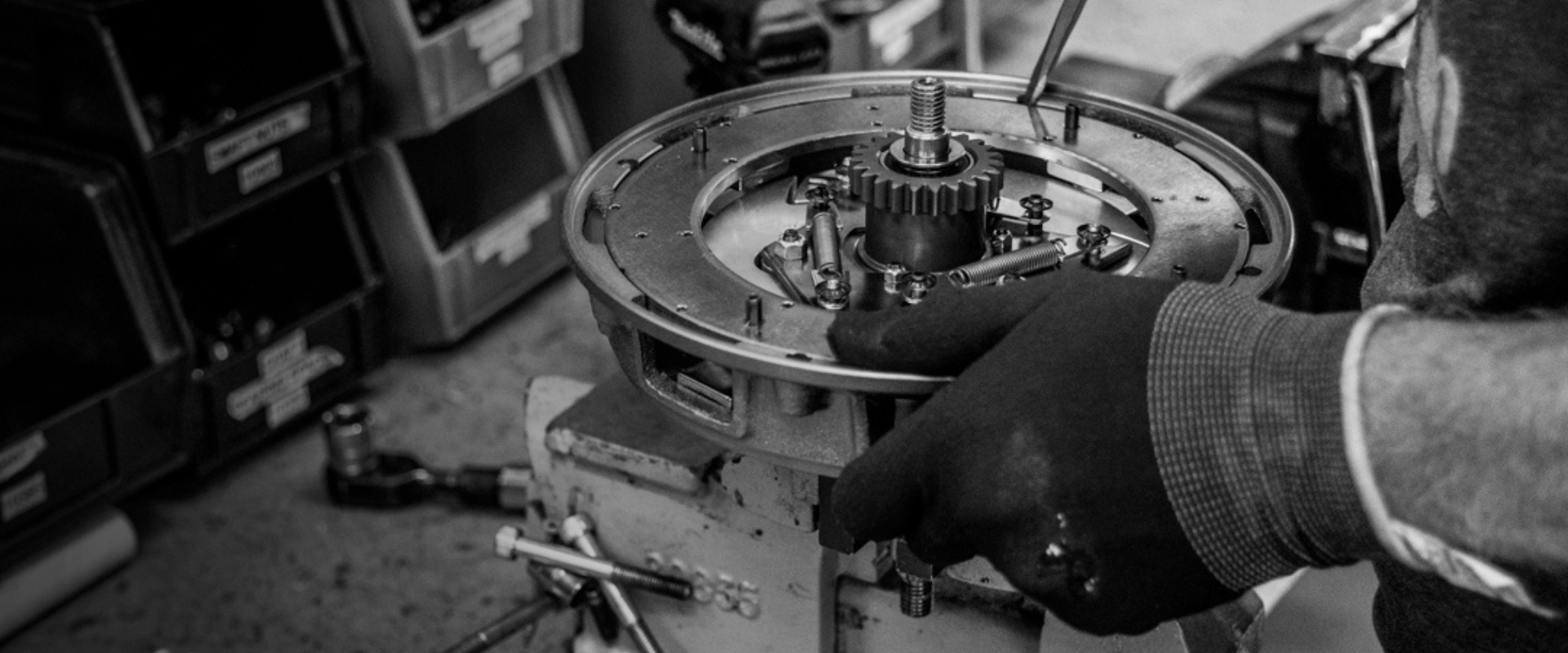
 When weight is loaded on a TruBlue, centrifugal force sends aluminum rotor arms spinning into the magnetic field of stationary magnets within the device.
-
The movement of aluminum past magnets creates eddy currents within the device.
-
The force of the eddy currents opposes the force of the magnets, providing resistance and slowing the release of webbing from the device.
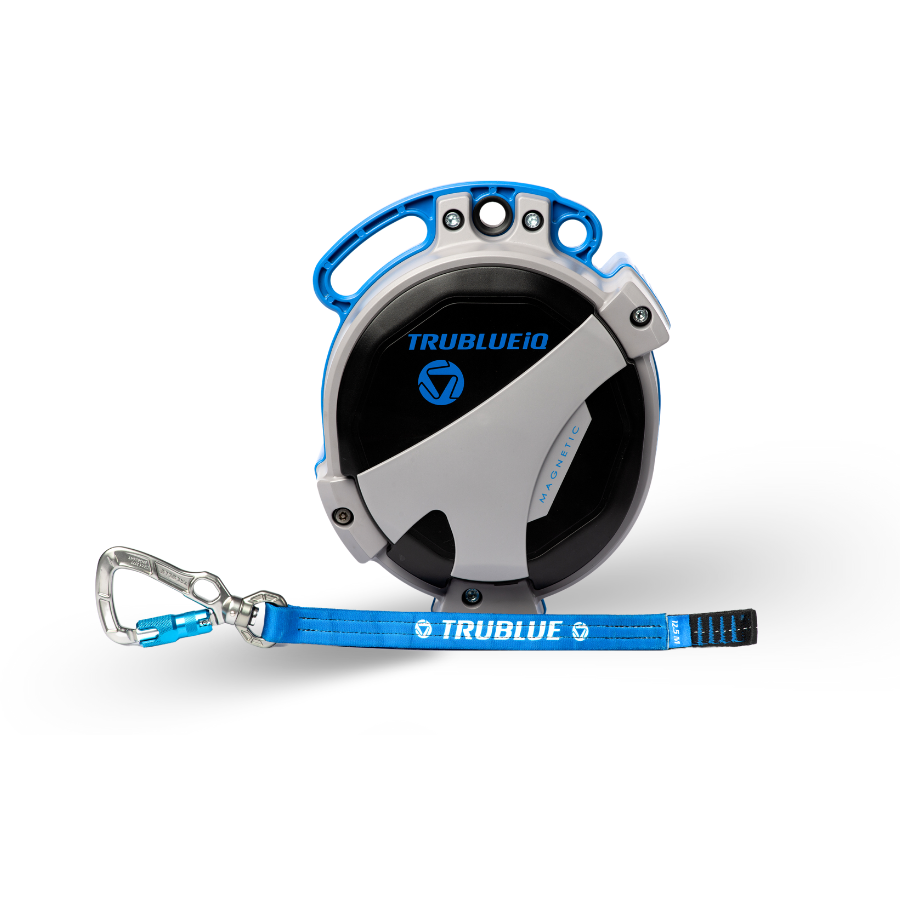
TruBlue SafeLine
Controlled Descent Device
Most Tested, Most Trusted.
-
Provides protection while allowing freedom of movement.
-
Protects people and equipment with safe controlled descents.
-
Proven indoors and out, protecting millions everyday.
-
Utilizes the same eddy current technology as high speed trains.
Safety Standards
-
EN 341: 2011
-
EN 360:2002
-
RFU PPE-R/11.128:2019
-
ANSI Z359.9
-
ANSI Z359.14
-
CSA Z259.2.2
-
CSA Z259.2.3
-
AS/NZS 1891.3
* Not certified. For comparison only.
Why Eddy Instead of Friction?
Here's why TruBlue uses eddy current technology for greater safety, repeatability, and dynamic movement.
| Magnetic | Friction | |
|---|---|---|
 PHYSICS
|
Magnetic braking systems rely on eddy currents that oppose changes in the magnetic field. This opposing force between the magnets and conductive arms in the device creates drag. This field is always active, but intensifies as the centrifugal force moves the conductive arms over the magnets. | Friction braking systems, the norm in the market, rely on the resistance to motion of one object moving relative to another. This friction is triggered by the centrifugal force created by the attachment during descent. |
 MECHANICS
|
Centrifugal force pulls the conductive arms on the rotor into the magnetic field, which induces tiny electric currents inside the drum. These eddy currents generate their own magnetic field back onto the spinning rotor arms, which opposes the release of the webbing spool. | Centrifugal force pushes internal brake pads out against the braking drum, catching the fall. While this provides a catch, it also may include nuisance snags when dynamic movement is required. |
 DESCENT
|
The more the attached weight, the more conductive material enters the magnetic field, the more braking is applied. Thus, magnetic braking is self-regulating, offering the same descent experience to all attached weight types. | The friction braking mechanism will create a descent experience that will vary by the weight of the attachment. |
 WEAR AND TEAR
|
Magnetic braking endures cycle after cycle without deterioration of braking performance. There are no contacting, sacrificial wear parts that degrade in proportion to the number of activations, which is why magnetic braking is more often used for high-throughput facilities. | Friction brakes create high thermal energy inside the device, causing the braking mechanism to deteriorate (a phenomenon called brake fade), resulting in increased descent speeds during heavy use. A friction brake will deteriorate as the number of cycles increases because the brake dust itself affects the braking mechanism, and the heat also reduces braking friction. |
 PERFORMANCE OUTSIDE
|
Since magnetic brakes use non-contacting components, dust and rain will not affect the brakes' performance under normal conditions. | If a foreign substance, like water, gets inside of a friction drum brake, it can change the frictional properties of the brake mechanism. |
 DYNAMICS
|
Suitable for the types of dynamic loading and “slack” falls that can be common in training or industrial work. | Not recommended for dynamic loading and “slack” falls, as these cause damage to the internal components. |
 SERVICE
|
Non-contacting components reduce service costs for braking components. | Friction brakes require replacement of brake pads as they wear. |
One Device, Unlimited Applications

Professional Training
From bailout training in firehouses to getting linemen ready for the job, TRUBLUEs handle repititions with ease.

Dropped Object Prevention
Partners trust us to protect tied off staff and machinery alike, ensuring any drop is safe and smooth.

Solution-Based Applications
Ferries use TRUEBLUEs to ensure emergency boats have a controlled descent, with new applications still emerging.
See It In Action
See how firefighters use TruBlue SafeLine Auto Belays to train, providing the safety they need with the movement they deserve.
-
Allows free movement until activation is needed
-
No nuisance snagging
-
Safely descends firefighters of varied weights at similar speeds
-
Tested and trusted with millions of descents every year
FEATURES AND BENEFITS

Increase Safety
Remove danger to staff with smooth controlled descents for both machines and people.

Dynamic Movement
Allow attached machines or objects to move freely until protection is activated.

Trusted Worldwide
Engineered in Louisville, Colorado, trusted around the globe.

Unmatched Technology
Our patented magnetic braking system delivers a smooth, controlled descent every time.

Durable Construction
TruBlue is engineered for heavy usage and high cycle counts, both indoors and out.

Engineered for Safety
Third party tested to meet the most rigorous industry standards.